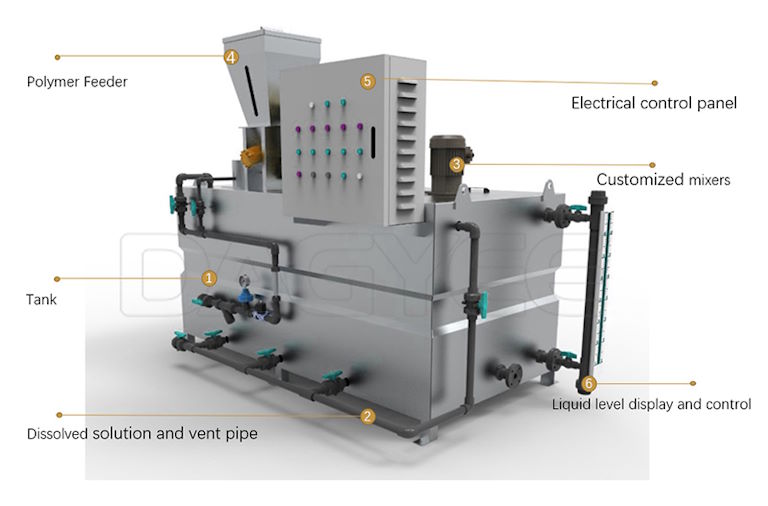
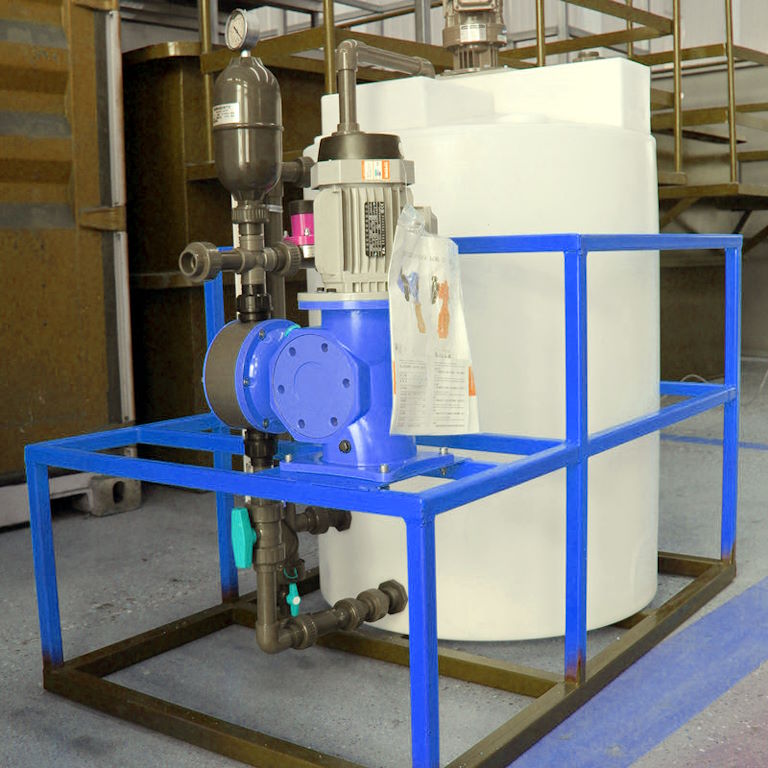
The use and understanding of the importance of polyelectrolytes is increasing rapidly. The number of manufacturers producing these materials is also increasing. Synthetic polyelectrolytes have important applications in various fields such as water and wastewater treatment, steel, oil and gas refining, mining, food, sugar, electronics, fertilizers, chemicals, textiles, paper, pulp and cement.
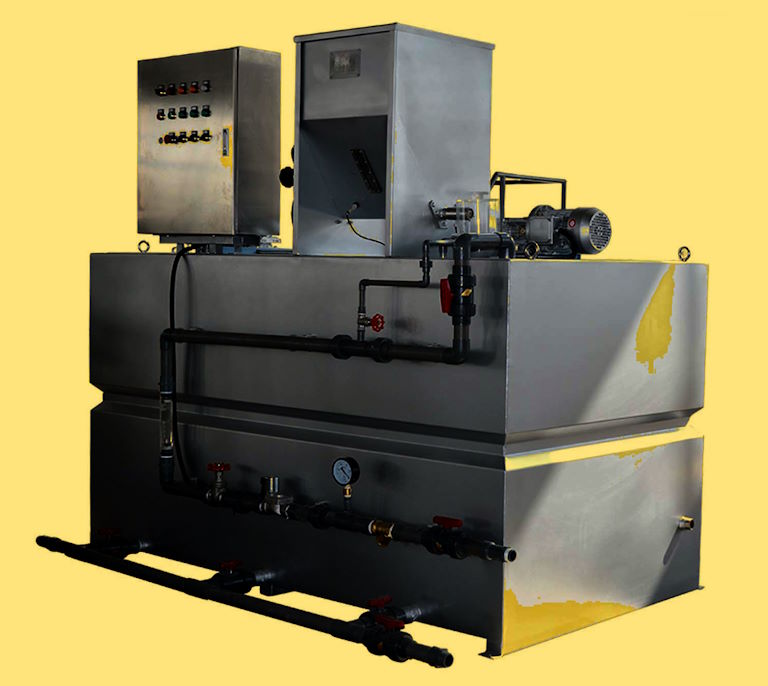
Commercially available polyelectrolytes include dimethylammonium chloride (PolyDMAC), polyacrylic acid (PAA), and polystyrene sulfonate. Specific applications of polyelectrolytes in manufacturing include:
- Clarification of raw sugar water in sugar industry.
- Gypsum separation process using phosphoric acid.
- Improve sedimentation in coal washing operations.
- In the wet cement production process.
- Separation of clay impurities from hot borax streams.
- Improve the quality of metal deposition in copper and zinc electrorefining or electrowinning .
- Improving enrichment processes in uranium processing and other areas.
Polyelectrolytes can also be used in industrial wastewater treatment. The fight against river pollution is getting more and more attention every day, and industries need all the help they can get. Polyelectrolytes are becoming an increasingly important factor in solving the problem of industrial wastewater pollution. In the future, the impact of polyelectrolytes on industrial wastewater treatment will be greater than that of urban wastewater treatment.