Electroplating is one of the oldest and most modern methods for applying a coating to surfaces. It can be used to increase the surface resistance of parts to corrosion, damage, and environmental influences, as well as to improve their appearance. One of the most important pieces of equipment in the electroplating process is the electroplating bath , where the electrochemical reaction takes place.
In the past, metal baths and sometimes glass or fiberglass baths were commonly used. However, due to the limitations and challenges associated with these materials, polypropylene (PP) baths have become the preferred material in the electroplating industry. PP is the ideal choice for electroplating baths due to its high chemical resistance, light weight, affordability, and durability.
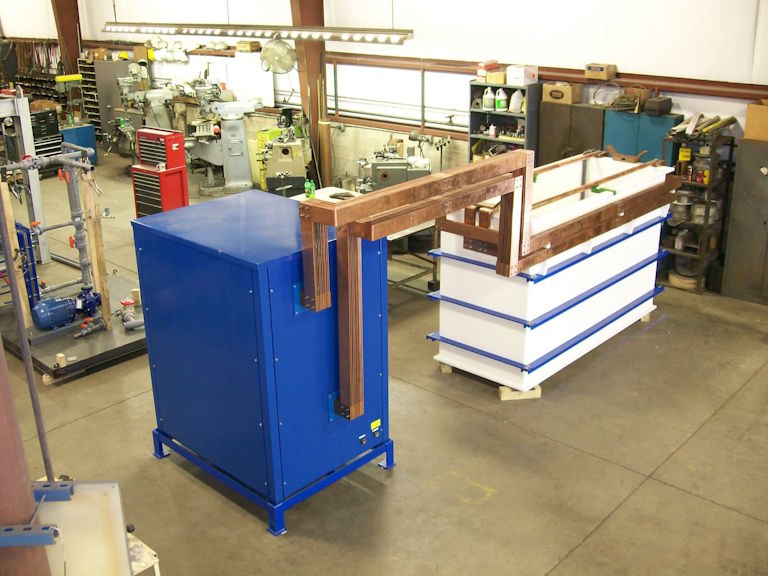
In this article, we take a detailed look at polypropylene electroplating baths, including their properties, applications, advantages, disadvantages, maintenance methods, and the future of this technology.
Part 1: What is polypropylene and why is it used in electroplating?
Polypropylene (PP) is a thermoplastic polymer derived from the monomer propylene. It belongs to the polyolefin family and is used in various industries due to its unique properties.
Main properties of polypropylene:
-
High resistance to chemicals, acids, bases and salts.
-
The temperature resistance can reach 100–110 °C.
-
Lightweight compared to metal and fiberglass.
-
The price is reasonable and affordable.
-
Easy to weld and form .
These same properties have led to polypropylene being used as a base material for electroplating baths in a wide variety of industries.
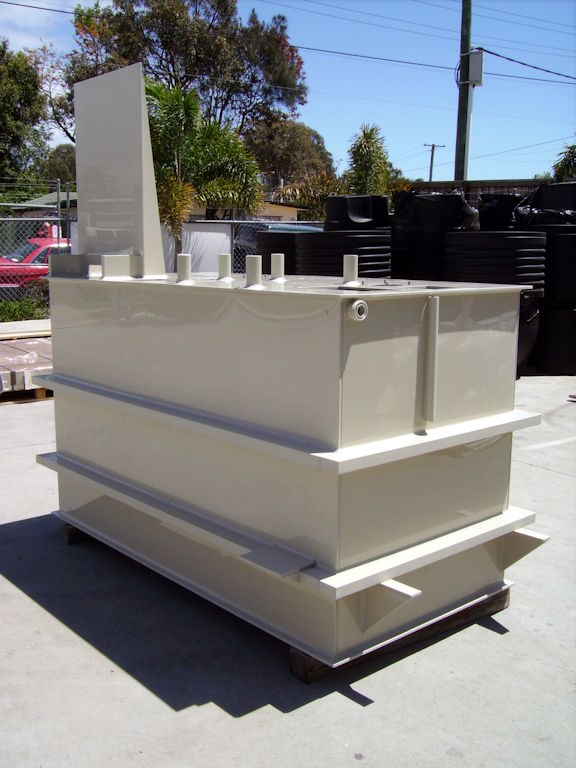
Part Two: Design and Construction of Polypropylene Electroplating Baths
1. Size and capacity
The capacity of polypropylene drums ranges from a few liters to several thousand liters, depending on the application. The following factors should be considered when selecting the right size:
-
piece size,
-
Exit,
-
Type of galvanic process,
-
The workshop room is finished.
2. Wall thickness
Polypropylene sheets are typically available in thicknesses ranging from 10 to 30 mm . Thicker sheets are used for larger batches or high-temperature processes.
3. Reinforcement system (ribs and frame)
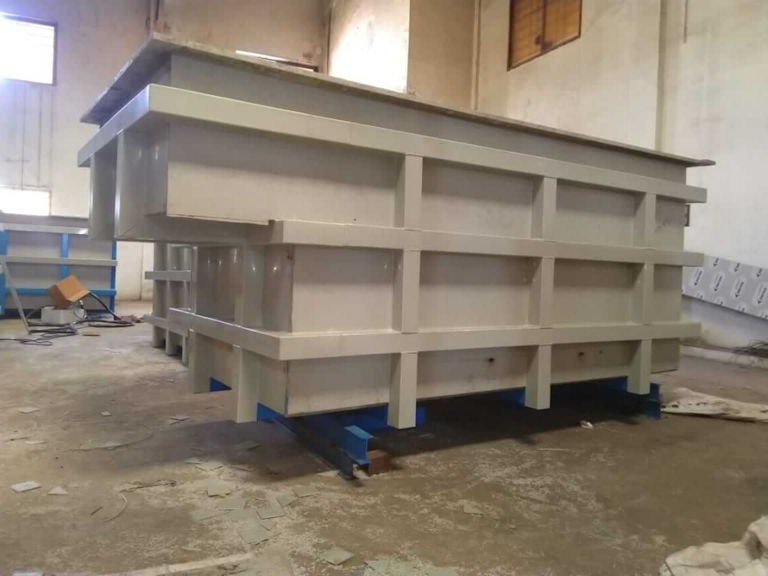
To prevent the bathtub from sagging, metal or polypropylene brackets are often placed around the bathtub as reinforcement.
4. Welding and sealing
-
The process for welding PP sheets is based on the extrusion or hot air process.
-
To prevent chemical leakage, accurate sealing is crucial.
5. Peripherals
PP bathrooms are usually equipped with the following features:
-
Heating elements are made of titanium or quartz.
-
The mixing system ensures the production of a homogeneous electrolyte.
-
Filter and distribution pump .
-
Extraction and ventilation systems can reduce the amount of acid vapors.

Part 3: Application of polypropylene electroplating baths
1. Decorative hard chrome plating
Polypropylene drums have high resistance to chromic acid and are the best choice for chrome plating.
2. Nickel plating, copper plating
These processes require the can to be chemically and thermally stable, and polypropylene is excellent in this regard.
3. Electroplating with gold, silver and precious metals
Due to the delicate nature of these processes, it is necessary to use durable, non-reactive drums , such as those made of polypropylene.
4. Secondary chemical processes
Such as etching, degreasing, phosphating, etc.

Part four: Advantages of polypropylene electroplating baths
-
Excellent chemical resistance
to most acids (sulfuric acid, hydrochloric acid, phosphoric acid) and bases (sodium hydroxide, potassium hydroxide). -
Lighter than metal and fiberglass bathtubs → Easy to install and transport.
-
More expensive than bathtubs made of stainless steel or titanium.
-
Natural thermal insulation → reduces energy losses during heat treatment.
-
They can be manufactured in different sizes and designs on request .
-
With proper care, they last a long time.
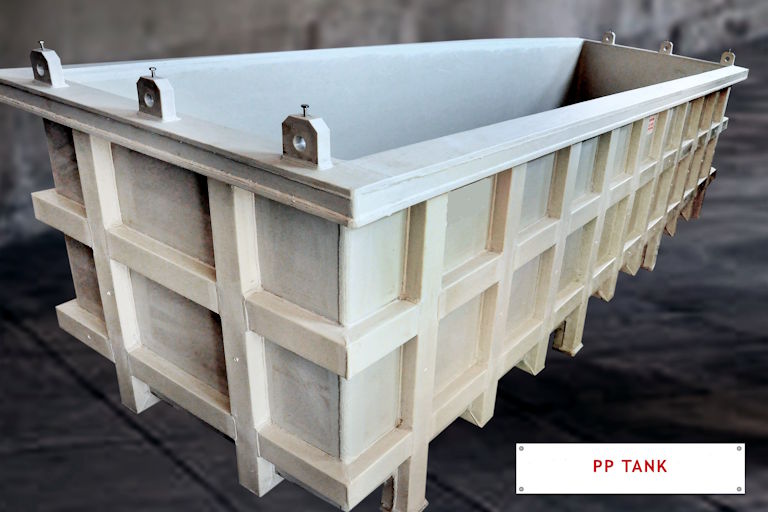
Part 5: Disadvantages and limitations of polypropylene bathtubs
-
Polypropylene
typically withstands temperatures up to 110 °C. At higher temperatures (e.g., in some specialty processes), other materials must be used. -
Sensitivity to UV radiation
: When exposed to direct sunlight, the mechanical properties of PP deteriorate. -
Possibility of deformation under high pressure : If sufficient force
is not taken into account in the design , the cylinder may bend. -
Brittleness at low temperatures:
At temperatures below zero, polypropylene becomes brittle and prone to destruction.

Part 6: Maintenance and service life extension of polypropylene electroplating baths
-
Check welds and connections
regularly to avoid possible leaks. -
Regular cleaning: Deposits and salt should be
removed from the bathtub surface regularly . -
Protect from mechanical impact.
Heavy tools can cause cracks. -
Ensure adequate ventilation
to prevent the formation of corrosive fumes. -
Outdoor UV coating:
Use a protective paint or coating to prevent deterioration due to light exposure.

Vivicam 6300


Section 7: Polypropylene bathtubs compared to other bathtub types
| Bathroom type | To use | Shortage | Inquiry |
|---|---|---|---|
| Metal (steel) | high durability | Rapid corrosion in acidic environments and high maintenance costs. | specific process |
| Fiberglass | Lightweight and resistant to some materials. | Fragile and short-lived | small businesses |
| Glass | Neutral and chemically resistant. | Fragile, size restrictions | Attachment |
| Polypropylene (PP) | Durable, lightweight, economical and versatile. | Temperature limitations, sensitivity to UV radiation | Most industrial processes |

Part 8: The future of polypropylene electroplating baths
With the growth of the paint industry and the demand for durable and cost-effective equipment, the use of polypropylene drums is expected to become more widespread in the future.
-
Developments in polymer compositions : addition of fillers to increase thermal and mechanical resistance.
-
Use reinforced PP composite material .
-
Development of a 3D printing technology for the production of complex and customized bathtubs.
Technical data sheet for Kozego PolySys CL-D

Finally
Polypropylene galvanic baths are popular in the galvanizing industry due to their high chemical resistance, light weight, affordability, and adaptability . Despite their limited heat resistance and sensitivity to UV radiation, they provide many years of comfortable use with proper construction and maintenance.
Choosing the right PP coating tank not only improves efficiency and reduces costs, but also plays a crucial role in improving the quality of the final product and workplace safety.