He represents
Wastewater treatment poses a major challenge for all industries and manufacturing facilities. Wastewater contains suspended solids, fats, oils, and colloidal particles that impair the effectiveness of conventional sedimentation and filtration methods. In this context, dissolved air flotation (DAF) plays a key role in improving wastewater quality as an advanced and effective technology.
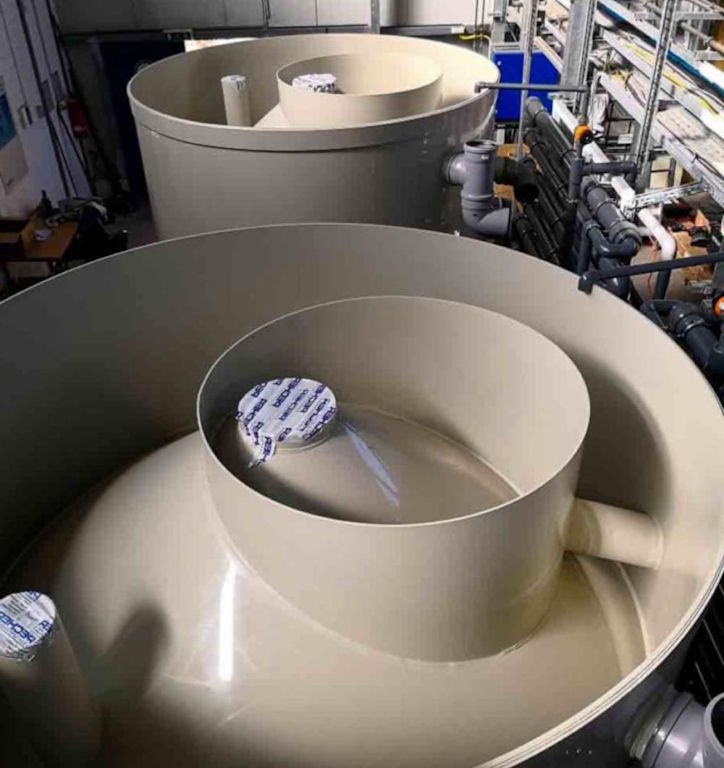
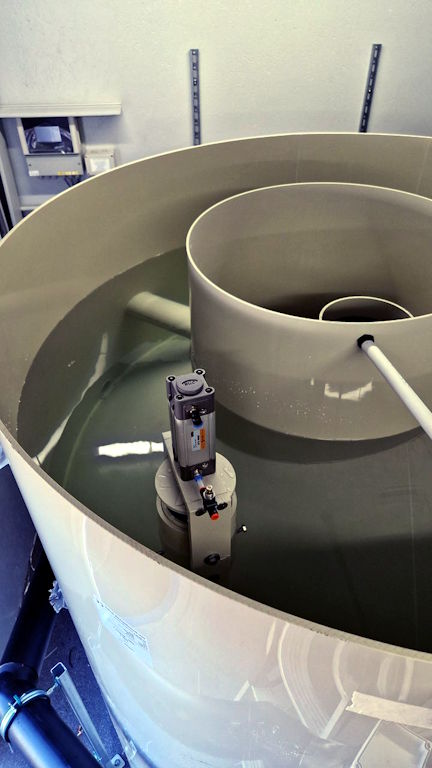
DAF flotation units are typically made of metal (carbon steel or stainless steel), but polypropylene (PP) has become increasingly popular as a raw material for this type of unit in recent years. This material is characterized by its strength , light weight , ease of installation, and long service life in corrosive environments. A detailed description of this type of flotation unit can be found below.
Work process with DAF polypropylene bags
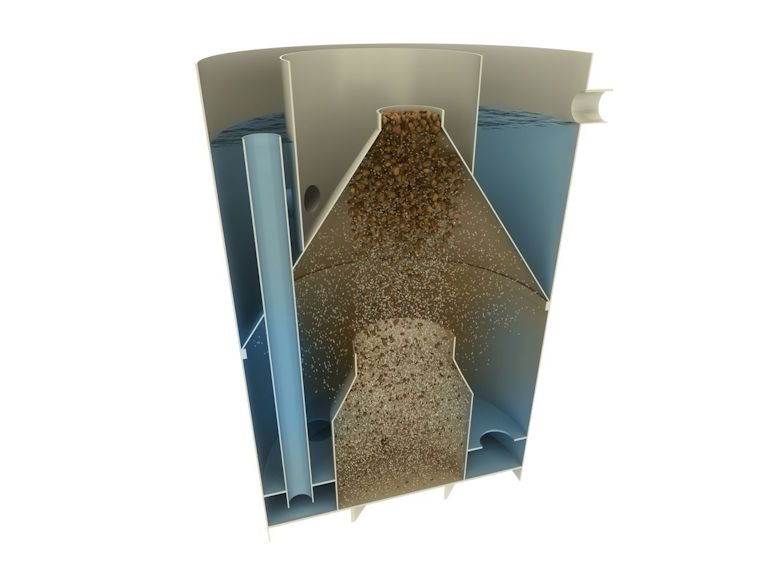
The DAF process is based on the injection of dissolved air into water under pressure. The process proceeds as follows:
-
Part of the wastewater is filled with air under high pressure.
-
When the pressure is released, tiny bubbles form in the wastewater.
-
These bubbles adhere to suspended particles , fats and oils and cause them to rise to the surface.
-
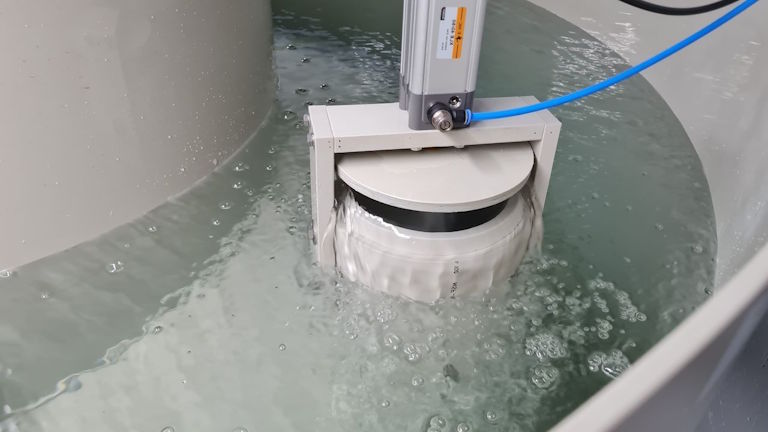
Finally, the layer formed on the surface is picked up with a scraper and removed from the system.
The main feature of the system is the generation of ultrafine bubbles with a high affinity for dirt particles . This mechanism increases the removal efficiency of suspended particles and oils to over 90% .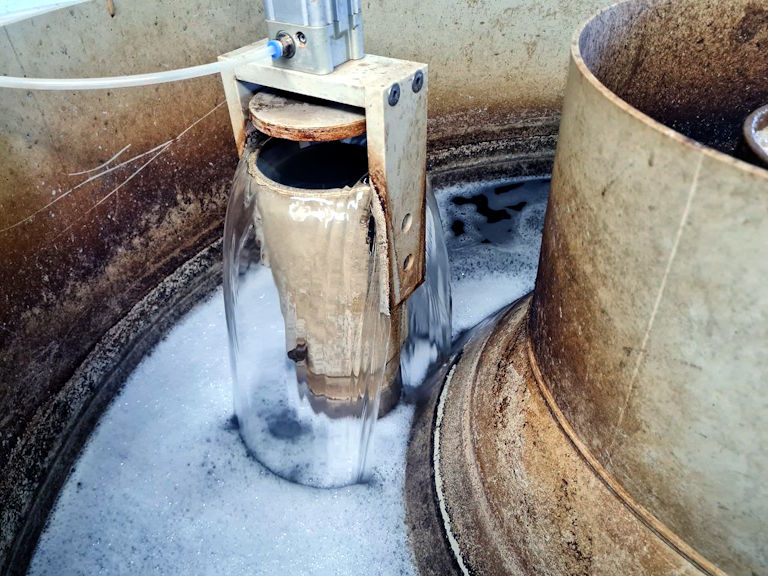
Why are DAF packaging made of polypropylene?
When designing treatment devices, choosing the right material is crucial. Polypropylene offers the following advantages over steel and stainless steel:
-
High chemical resistance: Polypropylene is resistant to acids, bases, salts and many industrial chemicals.
-
Lightweight: easy transportation and lower installation costs .
-
Corrosion-resistant: Unlike carbon steel and even stainless steel, polypropylene does not rust or corrode.
-
Longer shelf life: Thanks to the high resistance to corrosive environments, the shelf life of the packaging is increased.
-
Low maintenance costs: no painting, coating or anti-corrosion treatment required.
Main components of DAF polypropylene bags
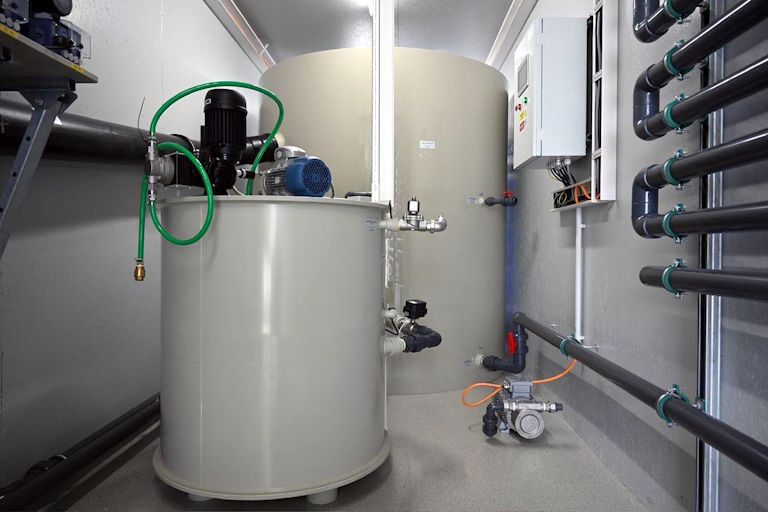
The complete DAF package includes the following parts:
-
Main polypropylene tank: the main unit of the system in which the flotation process takes place.
-
Air saturation system: Used to dissolve air in water under pressure.
-
High pressure pump: provides the pressure required to pump saturated water.
-
Special pipes and nozzles: for an even distribution of the air bubble flow.
-
Scraper: Collects grease and solid particles that float to the surface.
-
Control systems and control panels: Control the operation of pumps and auxiliary equipment.
-
Water inlet and outlet: includes the raw sewage inlet and outlet, the treated sewage outlet, and the sludge outlet.
Applications of DAF polypropylene packaging
This group is suitable for various industries, especially those with high oil and grease content in the wastewater:
-
Food industry (slaughterhouses, dairy products, vegetable oils, confectionery)
-
Petrochemical and oil refining industry
-
Car washes and mechanical workshops
-
Textile printing and dyeing
-
Paper and cardboard mills
-
Municipal sewage treatment plants remove certain pollutants.
Advantages of using DAF polypropylene containers
-
High efficiency of fat removal (up to 98%)
-
Lightweight, quick and easy to install.
-
chemical resistance
-
Longer device lifespan compared to metal models.
-
Reduction of operating and maintenance costs
-
We have custom designs with different performance.
-
Environmental compatibility and pollutant reduction in wastewater

Disadvantages and limitations
Although DAF polypropylene bags offer many advantages, they also have limitations:
-
Temperature limitations: Unlike metal, polypropylene cannot withstand extremely high temperatures.
-
Impact sensitivity: The ability to break upon blunt impact or point loading.
-
Purchase costs: In some cases, manufacturing costs are higher than for carbon steel.
Important operating points
To achieve optimal performance of DAF polypropylene bags, the following points should be observed:
-
Fine-tune the pump pressure and aeration volume.
-
Use a coagulant if necessary.
-
Maintain pumps and nozzles regularly to avoid blockages.
-
Regular monitoring of wastewater quality
-
Collection and disposal of sludge
Finally
As one of the newest and most effective wastewater treatment technologies, polypropylene flotation systems have emerged as an ideal alternative to metal flotation systems. Their corrosion resistance, long service life, ease of installation, and low maintenance costs make them an ideal choice for a wide range of industries . With sufficient capacity and thoughtful design, these systems improve wastewater quality in compliance with environmental standards, thus effectively protecting water resources.