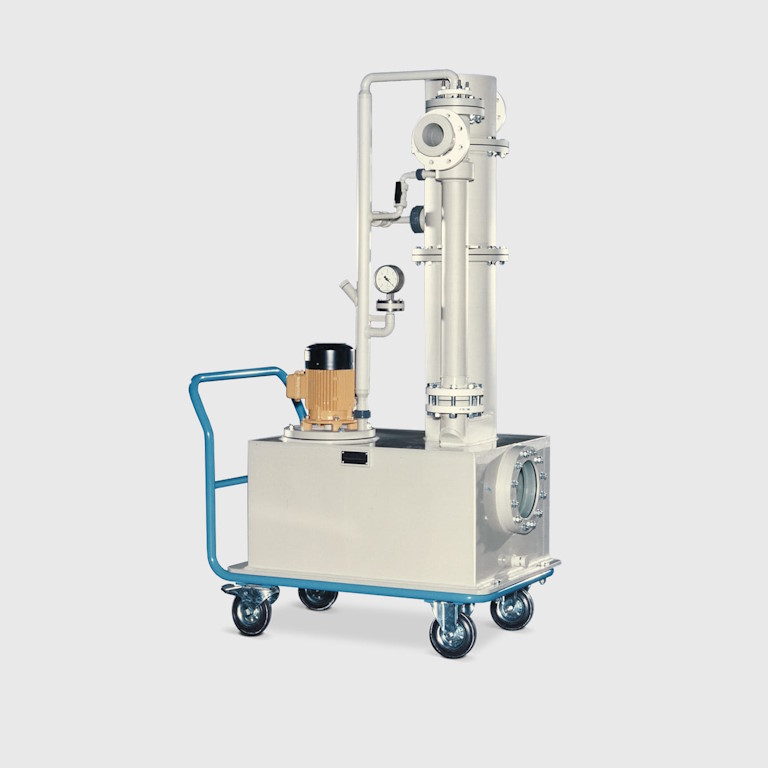
In recent years, sodium chloride (NaCl) electrolysis has gained popularity in various industries as a cost-effective and safe method for producing disinfectants and solutions. The device that performs this process is called a sodium chloride electrolysis system . This system uses direct current to produce substances such as sodium hypochlorite (NaOCl) or active chlorine from a simple water and salt solution. These systems are widely used in water treatment, wastewater disinfection, the food industry, agriculture , and even hospitals.
In this article, we provide a complete overview of salt electrolysis systems, including their operating principles, main components , benefits, applications, and key considerations for selecting and maintaining a system.

Definition and operating principle of a salt electrolysis plant
A salt electrolysis unit is a device for producing an activated chlorine solution . This device combines three simple components: water, salt, and electricity, creating a solution with powerful disinfectant properties. In this process, table salt (NaCl) is dissolved in water , and the resulting solution is passed through an electrolysis cell. In the cell, an electric current breaks the chemical bonds in the salt, producing chlorine gas (Cl₂), hydrogen gas (H₂), and sodium hydroxide (NaOH). The chlorine gas reacts with the resulting solution to form sodium hypochlorite .
The reaction can be simplified as follows:
2NaCl + 2H2O → 2NaOH + Cl2 + H2
Cl2 + 2NaOH → NaOCl + NaCl + H2O
The optimal solution is liquid chlorine or sodium hypochlorite , which has strong disinfecting properties and is an excellent alternative to buying and storing industrial bleach or perchloric acid.
The main components of a salt electrolysis plant
The composition of each electrolyte pack can vary depending on the capacity and brand of manufacturer, but its main components typically include the following:
-
Salt dissolving tank:
In this tank, table salt is dissolved in water to produce a primary solution of a specific concentration. -
Distribution pump for water injection:
is responsible for transporting the salt solution to the electrolysis cell and maintaining a constant current in the circuit. -
The electrolyzer is
the heart of the system. This is where the electrochemical reaction takes place that produces active chlorine . The electrodes are typically made of titanium coated with ruthenium or iridium to improve corrosion resistance. -
Power supply (rectifier):
Converts alternating current (AC) to direct current (DC) for electrolysis. -
Chlorine solution storage tank:
Once the sodium hypochlorite solution is prepared, it is stored in this tank for use when needed. -
Control cabinets and automation systems:
These include controls, displays and safety systems for monitoring voltage, current, operating hours and fault messages.
Using a salt pack for electrolysis
Electrolysis systems are used in various industries and companies due to their simplicity and high level of safety . Key applications include:
-
Drinking water treatment and disinfection:
Chlorine is used in urban and rural water networks, where it is produced on-site and injected directly into the water. -
Disinfection of swimming pool water:
an alternative to chlorine tablets or liquid industrial chlorine that reduces the costs and risks associated with transporting chemicals. -
Treatment of industrial and municipal wastewater:
Removes germs and unpleasant odors, prevents the growth of algae and bacteria. -
Food and dairy industry:
For disinfection of production lines, tanks and surfaces that come into contact with food without leaving toxic residues. -
Hospitals and medical centers:
for disinfection of medical equipment, surfaces, clothing and contaminated areas. -
Agriculture and greenhouses:
disinfection of drip irrigation networks, washing of fruits and vegetables, control of fungal diseases.
Benefits of using salt packs for electrolysis
-
High safety:
There is no need to transport or store dangerous chlorine gas or liquid chlorine; the disinfectant is produced on-site. -
Reduced operating costs:
The only raw materials required are salt and electricity, which are inexpensive. -
Environmental protection:
On-site chlorine production eliminates the risk of chlorine leaks and reduces environmental pollution. -
Automation:
Many systems operate intelligently and automatically without requiring constant operator presence. -
Stable quality of the production solution:
The concentration of the sodium hypochlorite solution is kept within a stable and specified range. -
Long service life and easy maintenance:
If the manufacturer’s instructions are followed, the electrolyzer will operate for many years without any loss of performance.
Important points when choosing an electrolyte pack
There are several important factors to consider when purchasing a salt electrolysis kit :
-
The production capacity (kilograms of active chlorine per day) should be selected in relation to the chlorine consumption in the company or project.
-
Electrode materials and battery life:
The quality of the titanium coating and electrode materials has a significant impact on the efficiency and longevity of the system. -
Quality and control of the electrical system:
Ensuring a stable power supply and protection against voltage fluctuations are of utmost importance. -
Safety standards and certifications:
The equipment must have valid certifications such as CE, ISO, health and safety, and environmental certifications. -
Customer service and spare parts:
Technical support and the availability of spare parts are key factors for long-term operation.

Maintenance and care of the electrolyte container
Regular maintenance is necessary to extend the life of your appliance and maintain its efficiency. Important steps include:
-
The electrolyzer is regularly cleaned with a diluted acid solution to remove salt deposits.
-
Check the condition of the electrical connections and the output voltage of the power supply.
-
Make sure filters and solution lines are clean.
-
Monitor the brine concentration and temperature of the incoming water.
-
Visit your control panel regularly to check for any warnings or errors.
Finally
Salt electrolysis systems are a modern, cost-effective, and safe solution for on-site disinfectant production. Using simple resources such as salt, water, and electricity, these systems produce active chlorine and sodium hypochlorite , eliminating the use of hazardous and expensive chemicals in many industries.
In addition to cost savings, the use of these devices improves water safety and quality and reduces environmental impact. Selecting the right capacity and a trusted brand, adhering to maintenance recommendations, and adequate technical support are crucial factors for the long-term use of salt electrolysis devices.